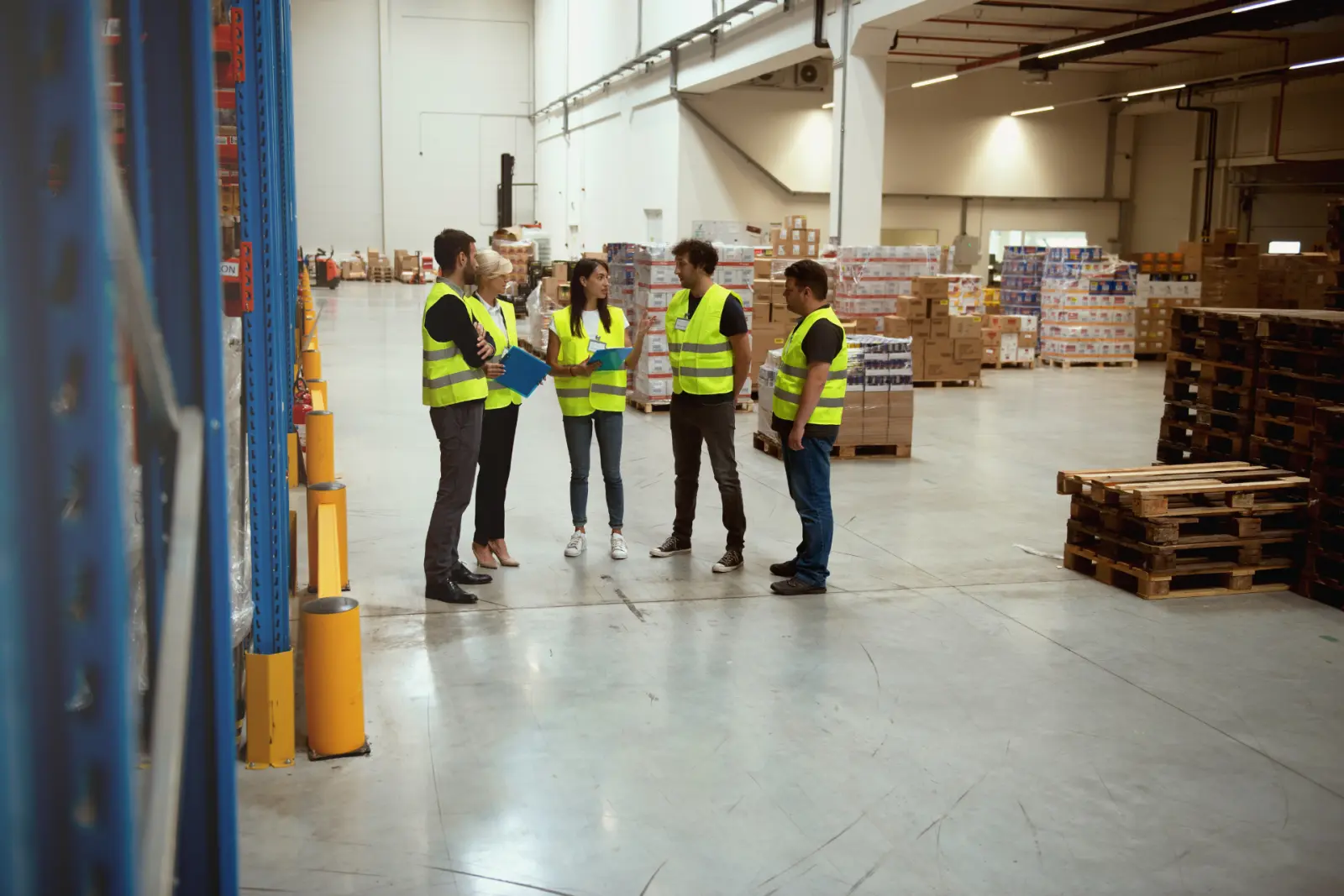
You have gone through selection, the work permit and the visa. The workers are on their way. What comes next matters as much as the recruitment itself: how you welcome them in the first weeks decides whether they stay, how quickly they become productive and how well they get along with the rest of the team. The good news is that good onboarding does not require big budgets, just organization.
Before arrival
Housing
Housing is the first thing people see and the most common source of dissatisfaction. Make sure that it:
- is clean, heated in winter and has hot water;
- has an equipped kitchen, because many workers prefer to cook for themselves;
- is not overcrowded and everyone has their own space for their belongings;
- is close to the workplace or has organized transport;
- has internet access, so they can stay in touch with their families.
Documents and instructions
- Prepare the job description and the internal rules in a language the workers understand.
- Translate the occupational health and safety training and complement it with images and hands-on demonstrations.
- Put up clear signs and pictograms in hazardous areas.
- Prepare a welcome pack: the housing address, useful phone numbers, the schedule, how to get to work, where to find a store, a pharmacy, a doctor.
Your existing team
Tell your Romanian colleagues who is coming, from where, for which positions and why. Explain that the new colleagues are filling positions that were vacant and that they are coming to help, not to replace anyone. Unanswered questions quickly turn into rumors.
Choose a buddy colleague for each small group of newcomers. Ideally, someone with experience, patience and at least a few words of English. Their role is to show how the work is done, answer questions and spot early if something is not working.
The first day
- Welcome them in person. A manager who shows up on the first day says more than any rulebook.
- Give a tour of the workplace: locker room, canteen, restrooms, restricted areas, emergency exits.
- Hand out the protective equipment and show concretely how to use it.
- Run the safety training with demonstrations and check understanding by asking each person to show what they remember.
- Introduce them to their buddy colleague and their direct supervisor.
- Do not load the first day with production. Leave time for orientation.
The first week
In the first days, people learn the pace, the unwritten rules and their colleagues. Help them like this:
- Increase the workload gradually.
- Hold a short daily check-in, 5-10 minutes, with the supervisor: what went well, what is unclear.
- Check whether they have received everything they need at the housing and whether transport works.
- Explain clearly how and when wages are paid and what appears on the pay slip. For someone in a new country, financial security matters enormously.
Everyday communication
- Use short, simple sentences, without local expressions or irony.
- Show, do not just tell. A hands-on demonstration is worth more than a long explanation.
- Check understanding. A "yes" can mean "I heard you", not "I understood". Ask them to repeat or show.
- Use translation apps for unclear situations, but do not rely on them for safety instructions.
- Encourage questions. Say explicitly that asking is not a mistake.
- Offer simple Romanian lessons. A few dozen work-related words make a big difference in the relationship with colleagues.
Respect for culture, religion and diet
Your new colleagues come with different customs, holidays and dietary rules. You do not need to know them all in advance, but it is important to ask and to take them into account:
- Diet. Some workers do not eat certain types of meat or are vegetarian. If you have a canteen, offer at least one pork-free option and one vegetarian option.
- Religion. If possible, offer a quiet space for prayer during breaks. Discuss fasting periods in advance, as they can affect energy levels during a shift.
- Holidays. Find out which holidays are important to your new colleagues and discuss in advance how days off can be arranged.
- Zero tolerance for offensive jokes or comments about someone's origin or religion. The rule must be clear to the whole team.
Avoid making assumptions about someone based only on their country of origin. Every person has their own habits. The safest approach is to ask.
The first three months
- Schedule feedback conversations at one month and at three months.
- Recognize progress. A kind word from the boss matters just as much anywhere.
- Offer prospects: a better shift, new responsibilities, a qualification.
- Involve them in team activities, do not keep them as a separate group.
Common mistakes
- Makeshift housing, prepared on the last day.
- Safety training read out quickly, in Romanian, with a signature at the end.
- An existing team that has not been informed.
- Promises made at the interview that do not match reality.
- No contact person for problems.
How we help
Onboarding is the last stage of our recruitment process, not a separate step. We help you with advice on housing and the first days, and we stay in touch with you and the workers during the first months. If you prefer not to deal with housing, transport and administration at all, the leasing option through SSM Global Workforce covers all of it.
We recruit for manufacturing, construction, hospitality (HoReCa), logistics and agriculture. If you are thinking about bringing your first foreign workers into your company, request a quote and we will also discuss the onboarding plan.