One of the first questions employers ask us is: "Which country should I bring people from?" The right answer depends on three things: how quickly you need them, what language is used at the workplace and what kind of position you need to fill. Below you will find a comparison of the 9 countries we recruit from, based on these criteria.
Criterion 1: how much time you have before you need people
The length of the process, from the start of selection to the workers' arrival in Romania, varies a lot from one country to another. It depends on the paperwork stages and on visa appointments in each country. Estimated timelines:
- Cuba: 3-5 months
- India, Bangladesh, Egypt, Nigeria, Ghana: 4-8 months
- Nepal: 7-8 months
- Sri Lanka: 9-10 months
- Pakistan: 10-12 months
In practice, the countries fall into three groups:
You need people within a few months
Cuba is the fastest option, at 3-5 months. Next comes the group of India, Bangladesh, Egypt, Nigeria and Ghana, at 4-8 months.
You can plan half a year ahead
Nepal, at 7-8 months, is an option if you know well in advance that you will need people, for example to expand a production line or for the next season.
You are building the team for next year
Sri Lanka (9-10 months) and Pakistan (10-12 months) are a good fit for companies that plan their staffing needs a year ahead.
Criterion 2: the working language
For workplace safety and fast onboarding, it matters what language workers can use to communicate with supervisors. Here is the situation by country:
- Nigeria and Ghana have English as an official language.
- India, Pakistan, Sri Lanka and Nepal commonly use English in professional settings, alongside their national languages.
- Egypt: Arabic is the main language, and English is used in many work environments.
- Bangladesh: the main language is Bengali.
- Cuba: the language is Spanish. Since it is a Romance language, like Romanian, many workers find it easier to understand basic instructions in Romanian.
Note: English proficiency varies a lot from person to person, regardless of the country. That is why we check it individually at the interview, based on how much communication the position requires.
Criterion 3: the type of position and the industry
We recruit both skilled and unskilled staff from all 9 countries. Still, there are industries for which a country has a larger pool of experienced candidates, depending on the industries that are developed there:
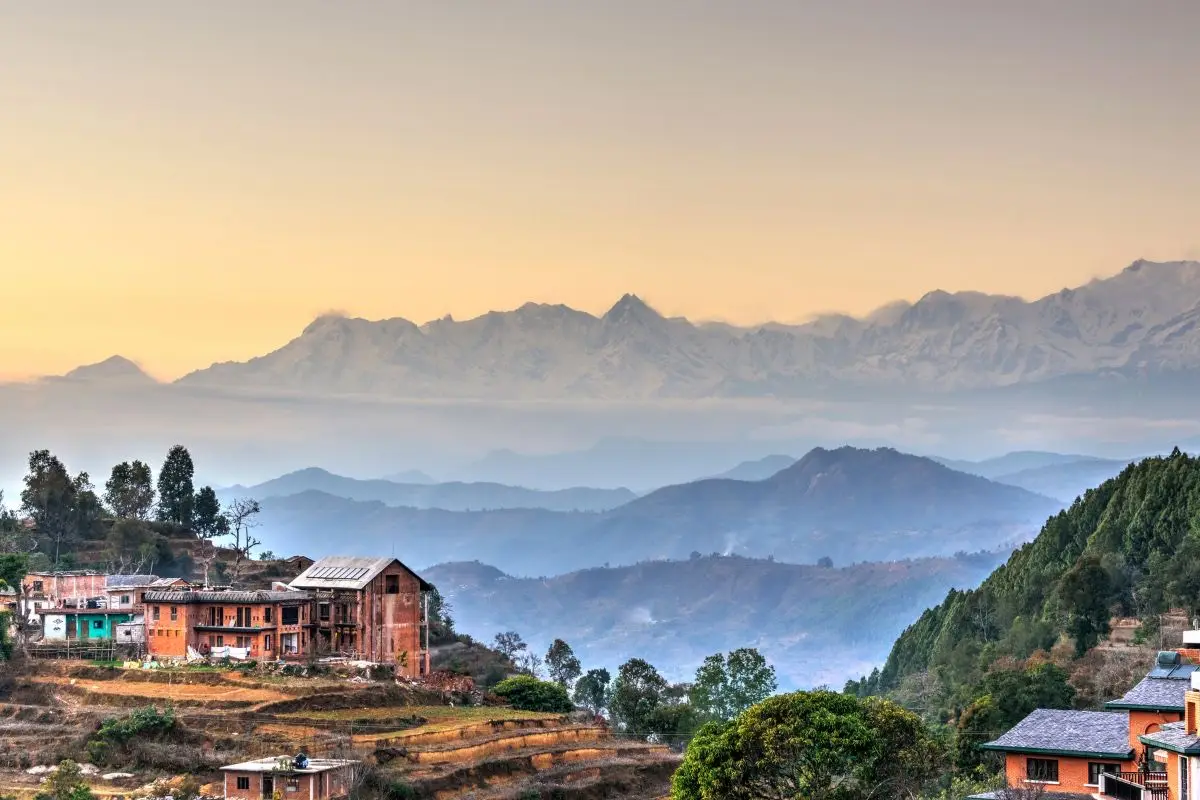
- Nepal: manufacturing, construction, hospitality (HoReCa).
- Pakistan: technical trades and welding, manufacturing, HoReCa.
- Sri Lanka: construction, manufacturing, HoReCa; the textile industry and tourism are well developed there.
- Cuba: tradespeople and technical staff, including welders, plus HoReCa.
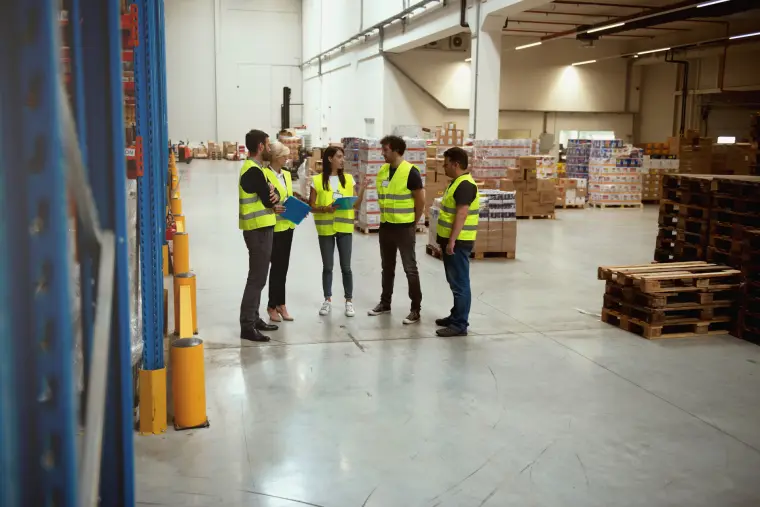
- India: the largest candidate pool, for almost any qualification; often manufacturing and logistics.
- Bangladesh: construction, manufacturing and textiles.
- Egypt: construction and HoReCa, two major industries in the local economy.
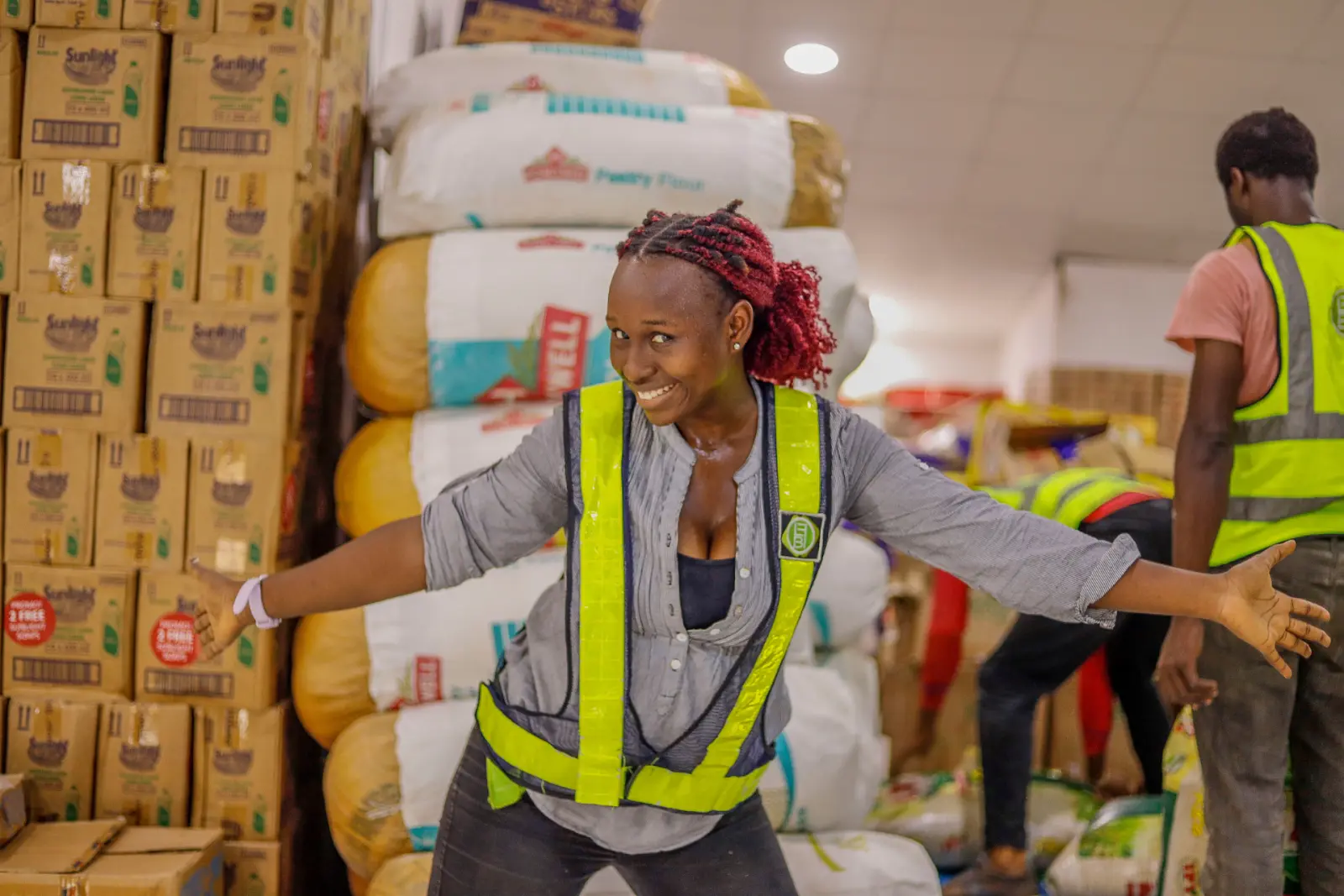
- Nigeria: construction, logistics and operational roles.
- Ghana: agriculture, processing and manufacturing.
These benchmarks show where we more easily find candidates with relevant experience; they do not limit your choice. A good welder can come from any of these countries.
How to combine the criteria
A few typical situations:
- You urgently need tradespeople, such as welders. Cuba is the first option to look at, thanks to its short timeline and its pool of technical staff.
- You need a large number of production operators. India offers the widest availability of candidates, with a timeline of 4-8 months.
- The position requires constant communication in English. Nigeria and Ghana, where English is an official language, or candidates from India, Pakistan, Sri Lanka or Nepal whose English has been checked at the interview.
- You run a farm or a processing facility. Ghana has a good pool of candidates with agricultural experience.
- You are building a team for a large project next year. You can also consider the countries with a longer process, such as Sri Lanka or Pakistan.
What matters more than the country
The country gives you a framework: a timeline, a language, a candidate pool. But the outcome depends on the person you hire. That is why our process is the same regardless of the country:
- interviews in the country of origin, which you can attend;
- verification of the stated experience;
- practical tests where the role requires them;
- a complete and accurate presentation of the position, so the worker knows exactly what to expect.
Avoid choosing based on generalizations about "what people are like" in a certain country. Each candidate is assessed individually, based on experience, skills and motivation.
How much it costs
Recruitment starts from €500 / person. Paperwork is priced separately, and prices do not include VAT. You receive an exact quote for the country and position you are interested in, together with a realistic timeline.
Not sure which country is right for you? Request a quote, tell us what positions you have, how many people you need and by when, and we will recommend one or two suitable options.